Before Messiah, before London, before the Hallelujah Chorus, there was Dixit Dominus. Written in Italy when Handel was only 22, this bold and demanding work captures a young composer testing his powers, steeped in Italian style and unafraid of musical extremes. Here are our top 5 reasons to love the piece.
1. 22 and Fearless
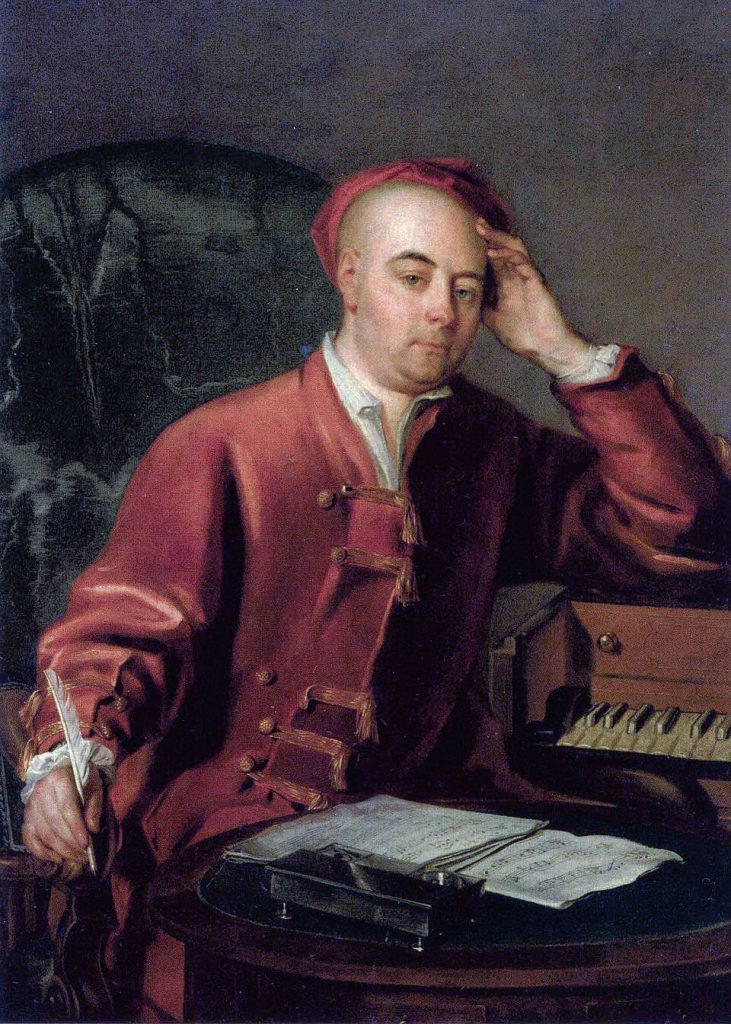
It’s hard to overstate how bold and audacious Dixit Dominus is when you consider Handel’s age. Written in 1707, when he was just 22, the piece demands extraordinary virtuosity from soloists and chorus alike. Long, athletic choral lines, sudden shifts in mood, and dense counterpoint make this music a high-wire act even today. This isn’t student work—it’s a young composer announcing himself, loudly and confidently.
2. Handel the “Italian” Composer
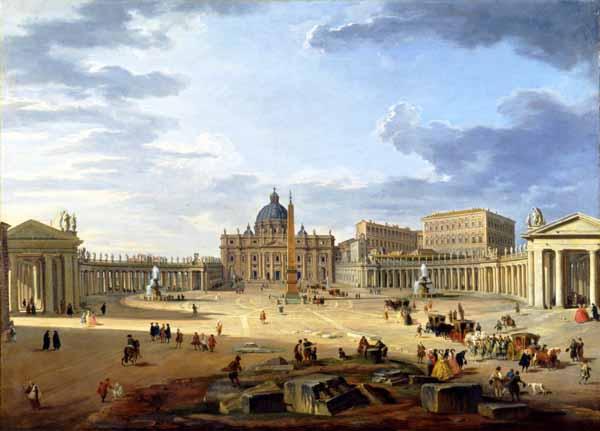
We tend to think of Handel as a German composer who made his career in England. But Dixit Dominus comes from his Italian years, and those years mattered. Living in Rome, Florence, and Venice, Handel absorbed Italian vocal style, dramatic pacing, and expressive intensity. Italy gave him fluency in melody and theatrical instinct—skills that would later fuel his operas and oratorios in London.
3. Sacred Music with an Operatic Pulse
Rome had banned opera when Handel arrived, but the appetite for drama hadn’t gone anywhere. Composers simply redirected it into sacred works performed in private palaces. Dixit Dominus is sacred in text, but operatic in spirit: vivid contrasts, explosive choruses, and music that seems designed to grab attention rather than fade politely into the background. It’s church music that refuses to behave.
4. A Glimpse of the Future Messiah Composer
Listen closely and you may hear something familiar. In the first movement, Donec ponam, the driving rhythms and insistent repeated notes foreshadow the kind of choral writing Handel would later make famous in the Hallelujah Chorus—written more than three decades later. In Dixit Dominus, you hear the young Handel experimenting with ideas that would one day become iconic.
5. Baroque Music with Teeth
Drawn from Psalm 110, the text of Dixit Dominus is forceful and uncompromising, and Handel lets the words drive the music. This is Old Testament language—judgment, power, upheaval—and the music responds with sharp rhythms, bold leaps, and moments of real harmonic bite. Yet Handel balances all that force with passages of lyricism and beauty. The result is a work of vivid extremes, from start to finish.
Preview the Music
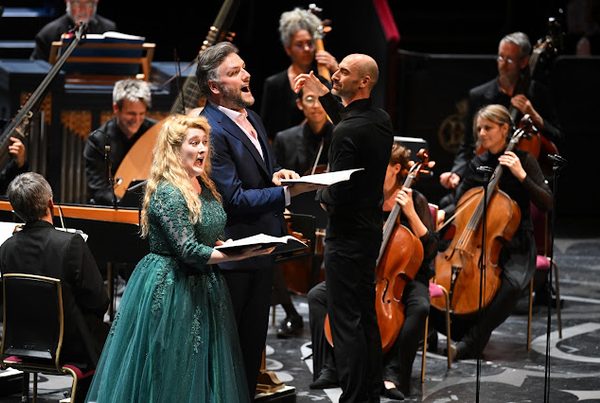
Hear Handel’s powerful Dixit Dominus paired with Rameau’s La Guirlande—French dance rhythms, operatic arias, and a lighthearted tale of romance nearly undone by a bewitched garland—in Baroque Garlands. One of the world’s foremost interpreters of 18th-century repertoire, Philharmonia’s longtime former Music Director Nicholas McGegan returns to conduct from the harpsichord. Performed on period instruments and with Philharmonia’s acclaimed Chorale, you’ll hear the music just as its first audiences did.
- Friday, February 6, 2026 – 7:30 PM | Herbst Theatre, San Francisco
- Saturday, February 7, 2026 – 2:30 PM | First Congregational Church, Berkeley
- Sunday, February 8, 2026 – 1:00 PM | Bing Concert Hall, Stanford
Tickets: $40 to $135 | $20 tickets available for Under 30s in SF & Berkeley. Save more with a subscription—as low as $84 for 3 concerts. Get tickets online or call the Box Office at (415) 295 2111.