
By Scott Foglesong
Sorrow. No life is so happy that it doesn’t have its share of trauma. To mourn is to be human, but we also have hope, that miraculous ability to envision a tomorrow when things have gotten better. As medieval theologian Julian of Norwich reassures us, “All shall be well, and all shall be well and all manner of thing shall be well.”
The Germans of the 17th and 18th centuries experienced more than their share of sorrow. The Thirty Years War may have been triggered by the 16th-century Reformation, but it wasn’t long before cultural enmity and territorial ambition transformed what was originally a religious conflict into a horrific civilizational catastrophe, its ravages felt for generations after the destruction finally ended in 1648.
The Lutheran composers of the German Baroque knew grief, but they also held fast to their faith in eventual salvation. Their experience reflects that of Black people under slavery in the United States, whose woes were made bearable by their trust in ultimate mercy. Baroque Germany and Antebellum America, two seemingly disparate cultures, each a distant mirror of the other. This program interleaves sacred works of the German Baroque with American spirituals, music that speaks as clearly to us today as it did to the people of its own time and place.
The program is divided into five sets that progress gradually from the depths of sorrow to visions of hope.
I. Trauma (War/Enslavement)
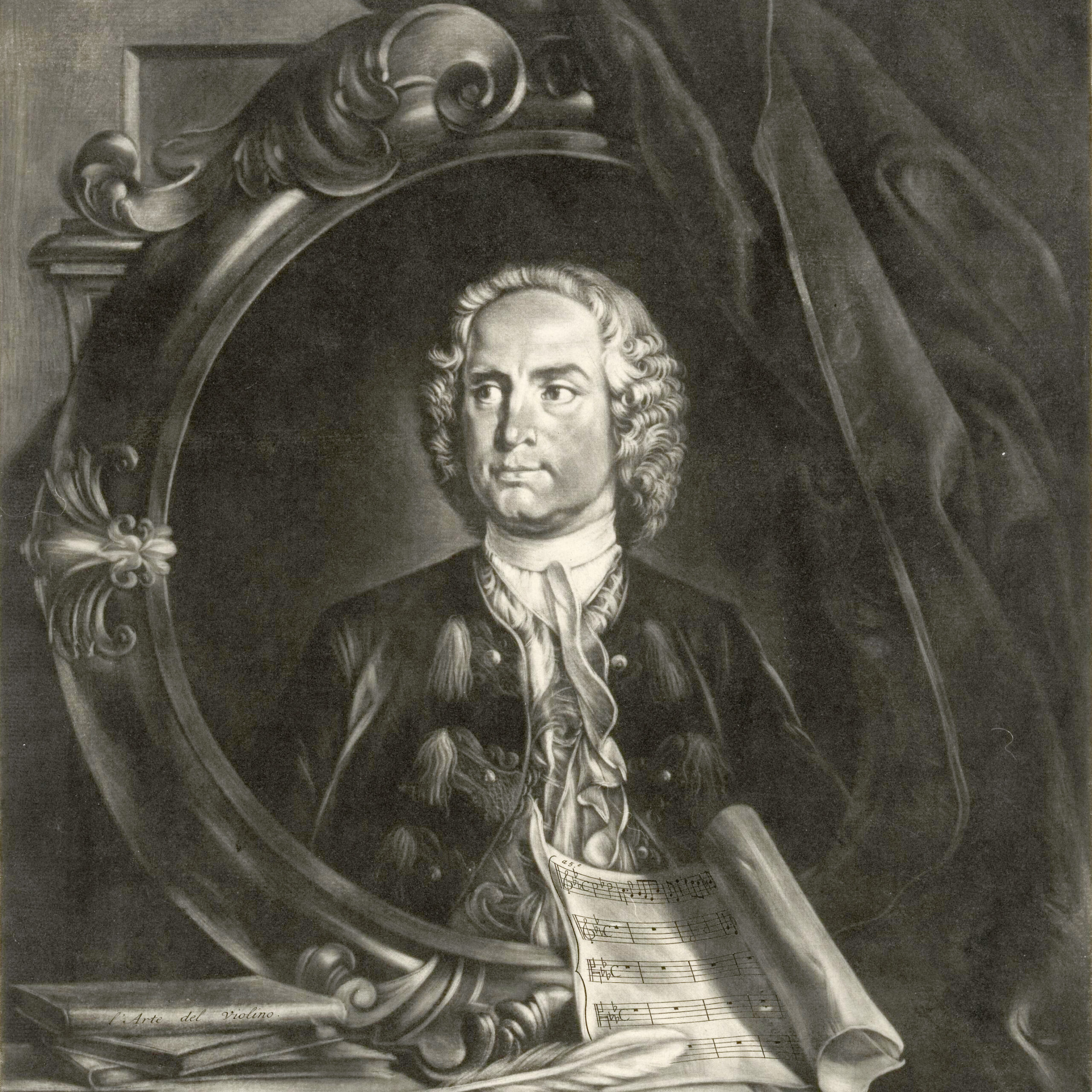
Violin virtuoso and composer Pietro Locatelli, born in Bergamo in 1695 and thus a decade younger than Bach and Handel, was a student in Rome as of 1711. Starting in 1723 he became quite the peripatetic, working his way throughout Italy and Germany with violin performances. As of 1729 he had landed in Amsterdam, where he stayed. Talented and industrious, eventually he became quite well-to-do, unlike most musicians of his era – or ours. He died there in 1764.
We don’t really know when Locatelli wrote the dark-hued Sinfonia Funebre, but some commentators have wondered if it might have been a memorial to his deceased wife. The opening Lamento is cast in the unusual key of F Minor, typically reserved for expressing extreme emotional states.
The Bach clan was expansive, to say the least. There were so many of them working in central Germany that people might refer to their ‘local Bach’ to indicate the area’s leading musician. Johann Christoph Bach, an older cousin of Johann Sebastian Bach and praised for his craftsmanship, was based in Eisenach, something of a Bach family seat. That’s where he wrote a church cantata Lamento: Ach, dass ich Wassers g’nug hätte that wishes for a greater supply of water for weeping “that I could lament my sin day and night.” Two instances of a richly chromatic recitative flank a central aria that’s as smoothly lyrical as the recitative is jagged. To conclude, the tragic spiritual that asks Were You There when Jesus was crucified, buried, and resurrected.
II. Sorrow
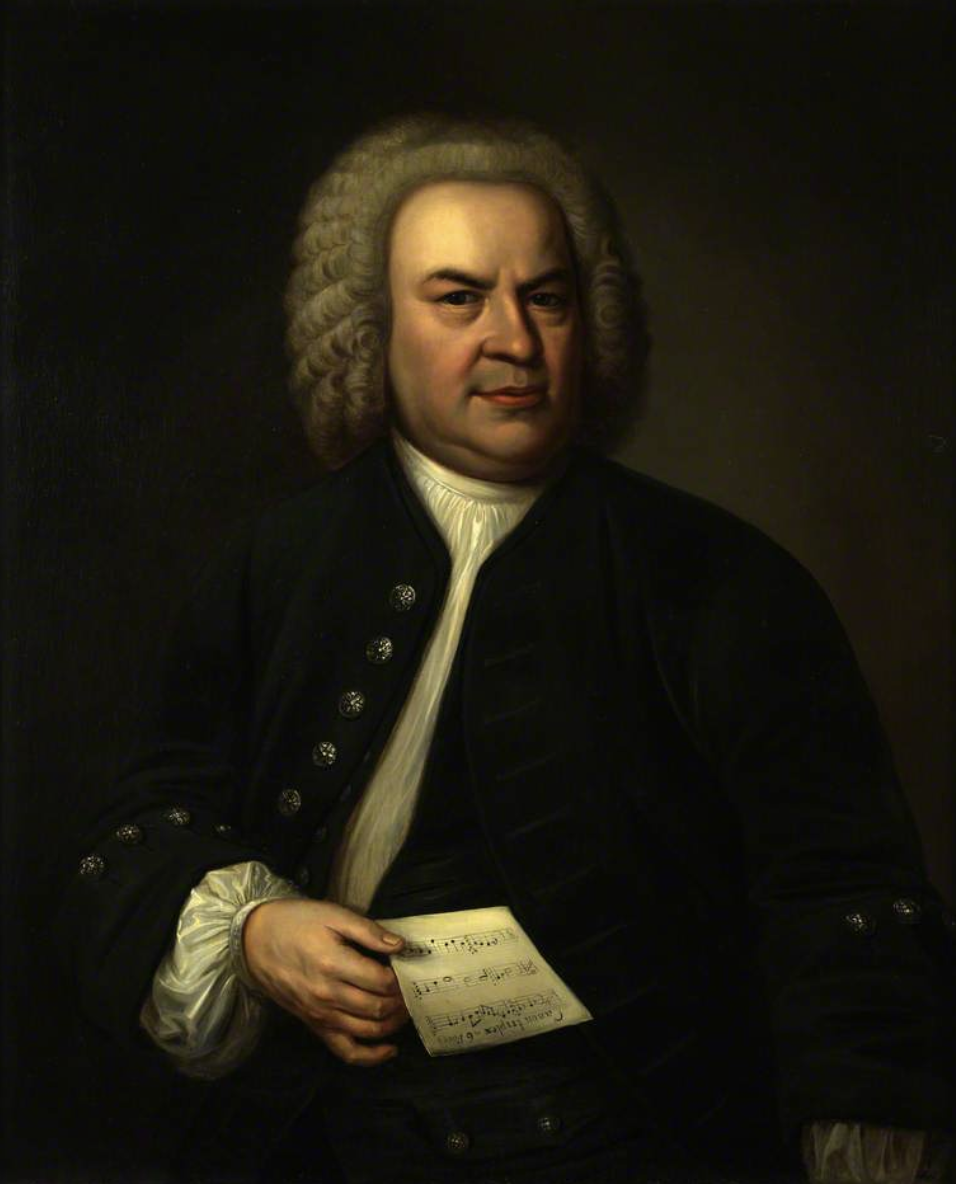
Even though Johann Sebastian Bach’s instrumental works are treasured as bedrock repertory, it’s good to remember that he was first and foremost a composer of liturgical vocal music. If you seek the very heart of Bach, you will find it in the 200-plus surviving church cantatas that date from his early career onwards. Not that he would have called them cantatas as a rule. Lutherans of his day dubbed them as the music, an accurate but bland term for the feature of a Lutheran service that was sometimes described as a ‘second sermon.’
In Bach’s catalog we find the occasional mega-cantata in two parts, designed to flank, rather than follow, the sermon. BWV 21 Ich hatte viel Bekümmernis is one of those, probably written as a farewell to Bach’s good friend and student Prince Johann Ernst, who was terminally ill. It dates from 1714, during Bach’s service in Weimar. Tracing a journey from mourning to ultimate joy, it opens with a grave Sinfonia that pairs solo oboe with violin in a dialog over a ‘walking bass’, i.e., a steady pacing rhythm.
After his studies in Italy with Giovanni Gabrieli, Heinrich Schütz helped to bring the new style that we now describe as ‘Baroque’ to Germany. However, he was obliged to practice his career in the shadow of the Thirty Years War, which left very little energy or money for music, even in the ducal court of Dresden where Schütz plied his trade. Erbarm dich mein, o Herre Gott dates from about 1628; it sets a penitential chorale with repeated cries of ‘Erbarm dich’ (Have mercy) after an opening Sinfonia that savors of the homophonic Baroque style. Between the Bach and the Schütz comes the traditional spiritual Sometimes I Feel Like a Motherless Child, a timeless expression of grief during the long years of American slavery.
III. Pain
Another product of Bach’s Weimar years, Weinen, Klagen, Sorgen, Zagen BWV 12 originated from Bach’s appointment as concertmaster of the court capelle, for which his duties included performing a monthly church cantata for the Schlosskirche. The second of the set of Bach’s four 1714 Weimar cantatas, BWV 12 was first performed on April 22. It opens with a Sinfonia that features Bach’s favored sonority of oboe over strings, establishing the “weeping, lamentation, worry, despair, anguish and trouble” that are the lot of humanity on its way to eventual salvation.
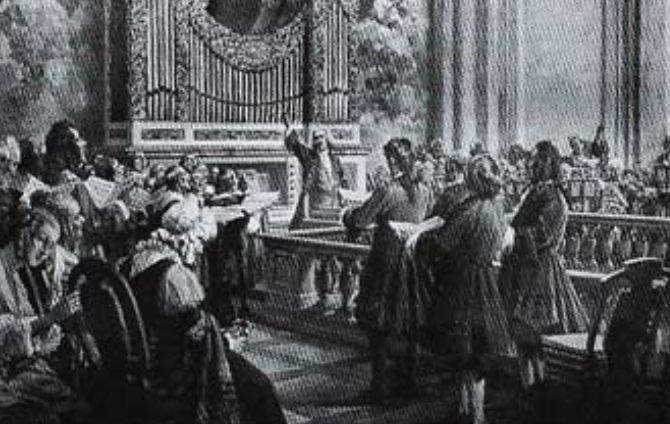
A Lutheran cantata requires a text, and Bach never had a better librettist than Salomo Franck, a Weimar native who followed a triple career as lawyer, scientist, and poet. Emphasizing the need to reach salvation through sorrow, the alto recitative Wir müssen durch veil Trübsal leads to the oboe-led alto aria Kreuz und Krone sind verbunden (Cross and crown are bound together), a picture-perfect example of Bach’s use of the era’s ubiquitous da capo aria form.
The moving traditional There is a Balm in Gileadis followed by the impassioned Sinner, Please Don’t Let This Harvest Pass; the familiar spiritual (and jazz standard) Nobody Knows the Trouble I’ve Seen ends the set.
IV. All My Trials
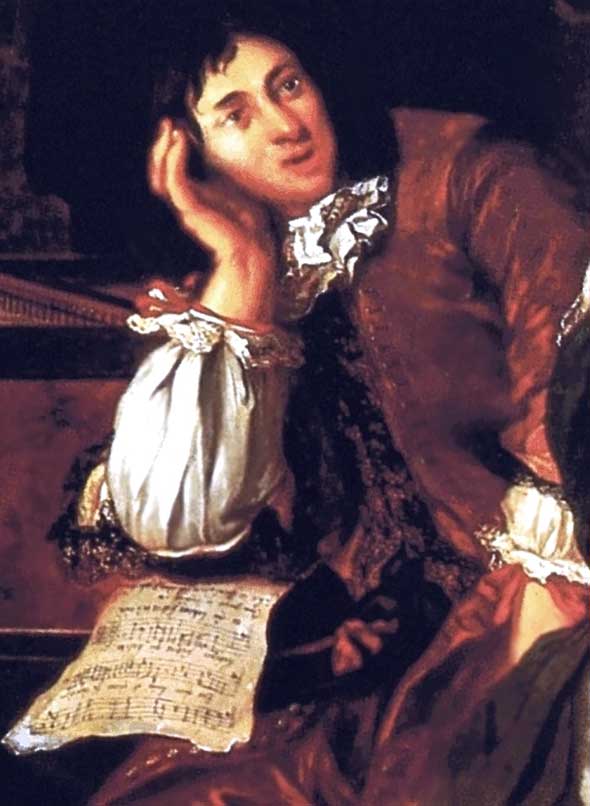
We tend to think of Lutheran musicians as invariably German, but Dietrich Buxtehude was Danish, born in Helsingborg in 1637. From 1668 on he was the kapellmeister and organist at St. Mary’s Church in Lübeck, where he enjoyed a fair amount of autonomy as one of the major organists of the age. One of the most familiar stories of Bach’s early years concerns him travelling 250 miles on foot from Arnstadt to Lübeck to meet Buxtehude, hear his playing, and “comprehend one thing and another about his art,” as Bach later explained to his ticked-off employers in Arnstadt as they grilled him about his unexpectedly long absence.
Based on Psalm 73, Buxtehude’s sacred song Wenn ich, Herr Jesu, habe dich asks how anyone who has Jesus need ask for worldly happiness, eventually progressing to exultation in the abundance of a life lived in love.
David Pohle is probably unfamiliar to today’s listeners. One of the many superb musicians who composed for churches, courts, and opera houses throughout Germany, he was a Schütz student, born in 1624 and therefore more than six decades older than Bach, Handel, or Domenico Scarlatti. His setting from Psalm 73, Herr, wenn ich nur dich habe was, like all of Pohle’s works, unpublished during his lifetime. Sadly, the majority of his output is irretrievably lost. Listeners may note a somewhat more florid, even operatic, treatment of the vocal line in comparison to Buxtehude’s more sober setting.
Steal Away and Soon-a Will Be Done take a positive tone towards death, as “The trumpet sounds within a-my soul” and “I’m goin’ to live with God.”
V. Finding Peace – Freedom – Resilience
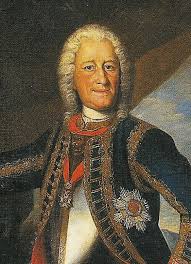
Philipp Heinrich Erlebach was another German Baroque composer whose output has been mostly lost. Born in 1657, he served as kapellmeister to the Thuringian court for 33 years. Trocknet euch ihr heissen Zähren is a short non-liturgical piece, part of a collection of fifty ‘moral and political arias’ that were published in 1697 and again in 1710. In the spirit of rising from grief, the anonymous text tells us to “Dry your hot tears, eyes, try to clear your vision!” The heart takes courage from knowing that “Heaven loves me after all.”
Buxtehude sets a text filled with vivid metaphors of light that illuminate a personal relationship with Jesus in Jesu, meine Freud und Lust, BuxWV 59. Three alto arias interleave with instrumental sinfonias that divide the strings into five parts. There’s something decidedly Italianate about this mostly sunny and warm celebration of the spirit, a welcome departure from the prevailing gloom that can sometimes (and understandably) hang over the Lutheran church music of the era.
We end with My Lord What A Morning, favorite of legendary singers (both Jessye Norman and Marian Anderson left us gorgeous recordings), gospel choirs, folk singers such as Joan Baez, and jazz groups. “You’ll hear the Christian shout, to wake the nations underground” it avers, in those last moments “when the stars begin to fall.”
Preview the Music
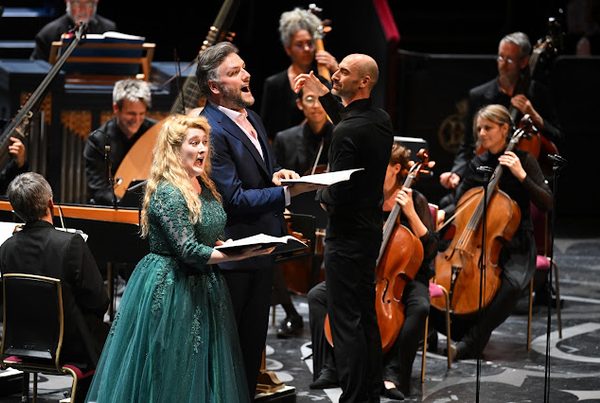
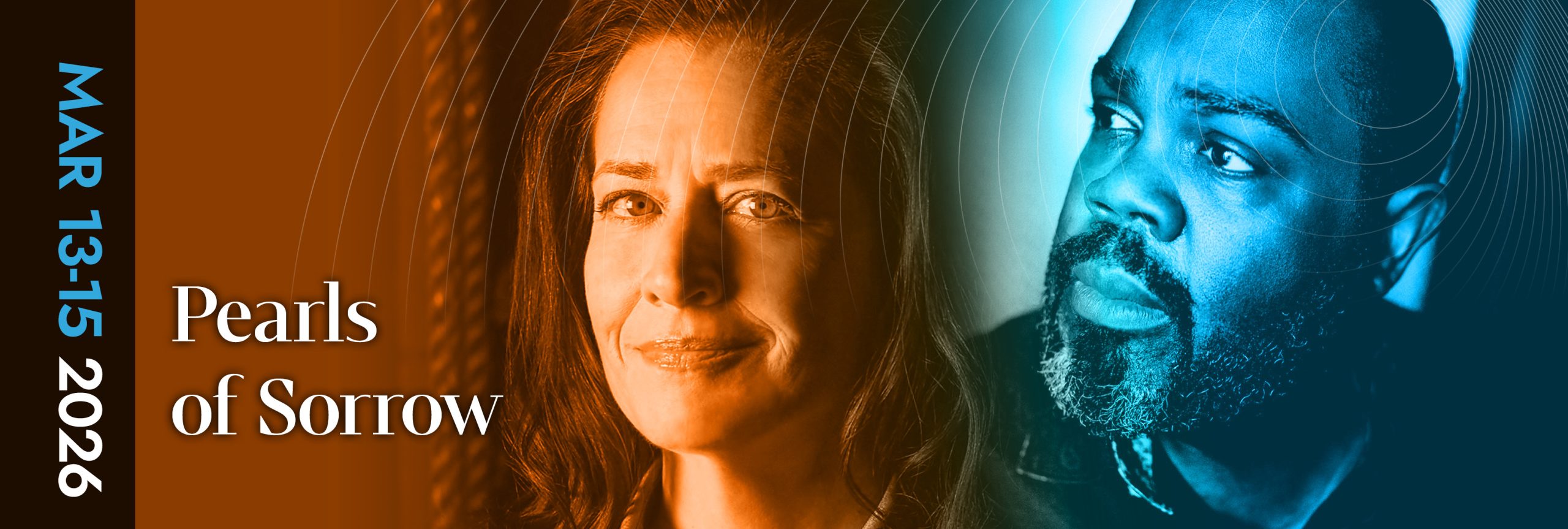
Philharmonia Baroque presents Pearls of Sorrow, led by conductor Christine Brandes, featuring countertenor Reginald Mobley.
Concert Dates
Friday, March 13, 2026 – 7:30 PM | Herbst Theatre, San Francisco
Saturday, March 14, 2026 – 2:30 PM | First Congregational Church, Berkeley
Sunday, March 15, 2026 – 2:30 PM | Bing Concert Hall, Stanford
Get tickets online or call the Box Office at (415) 295 1900.
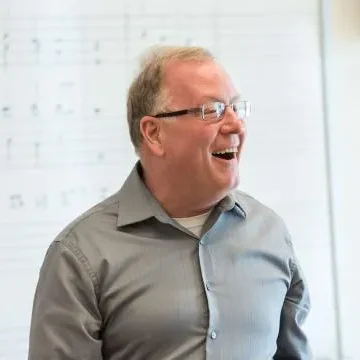
Scott Foglesong is the award-winning Chair of Music Theory at San Francisco Conservatory of Music. He also writes program notes for San Francisco Symphony, California Symphony, Las Vegas Philharmonic, New Hampshire Music Festival, and Left Coast Ensemble.