
Pearls of Sorrow features seven spirituals, commissioned by Philharmonia Baroque Orchestra & Chorale and thoughtfully arranged by composer Henry Lebedinsky. In this note from the arranger, Lebedinsky recounts his collaboration with Reginald (“Reggie”) Mobley and explains his approach to the project, including his use of “musical collage” to layer meanings and subtexts.
Seven Concert Spirituals
Arranged by Composer Henry Lebedinsky
Commissioned by Philharmonia Baroque Orchestra & Chorale
Were You There When They Crucified My Lord?
Sometimes I Feel Like a Motherless Child
Sinner, Please Don’t Let This Harvest Pass
Nobody Knows the Troubles I’ve Seen
Steal Away
Soon I Will Be Done
My Lord, What a Morning
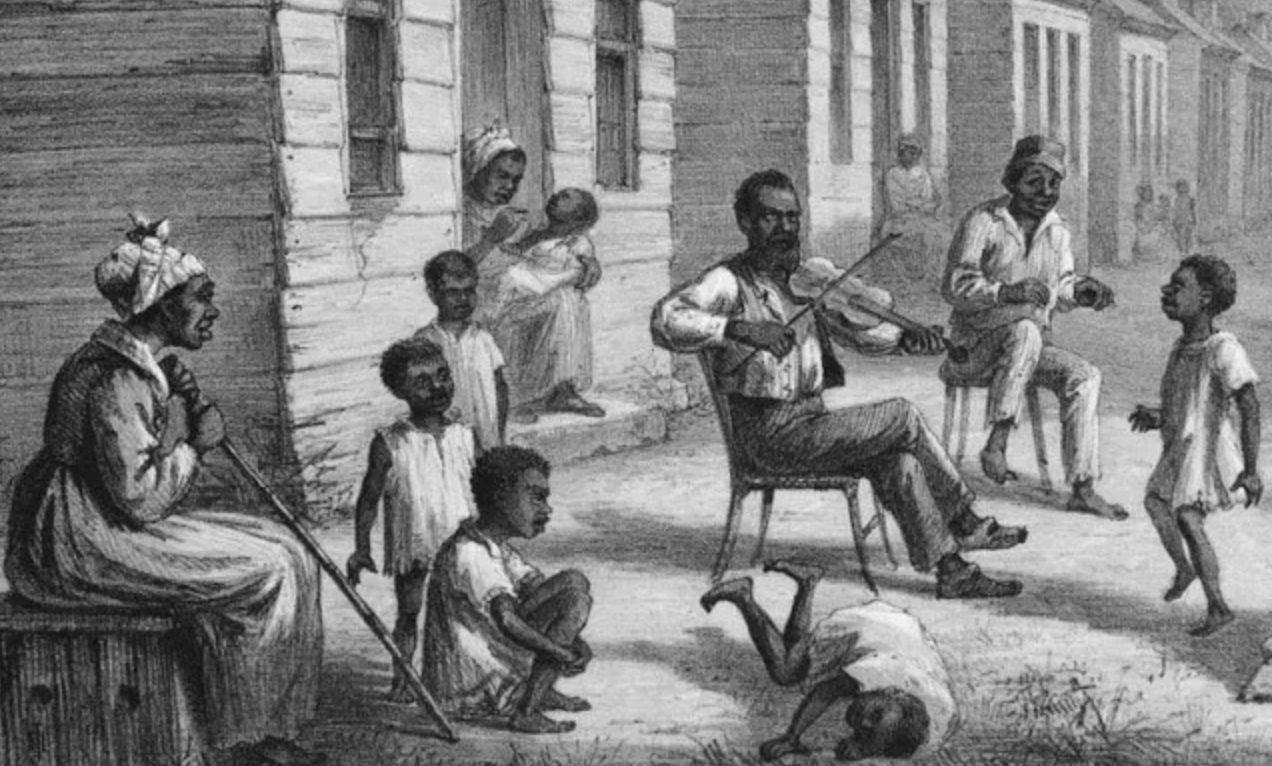
“It would have been a notable achievement if the white people who settled this country, having a common language and heritage, seeking liberty in a new land… had created a body of folk music comparable to the Negro Spirituals. But from whom did these songs spring – these songs unsurpassed among the folk songs of the world, and, in the poignancy of their beauty, unequalled?”
—from the preface to The Book of American Negro Spirituals, 1925.
This passage from James Weldon Johnson and John Rosamond Johnson’s seminal collection, published almost exactly one hundred years ago, opened my liner notes to Reginald Mobley and AGAVE’s 2021 GRAMMY-nominated album American Originals: A New World, A New Canon. The work of the Johnson brothers—best known as the songwriting team that brought us Lift Every Voice and Sing—sought to bring the Spiritual to wider awareness and acclaim in much the same way that other contemporary musicologists were elevating the folk music of Europe and the Americas. Beginning in 2010, Reggie and I sought to shine a light on the contributions of Black composers to the world of art music through a touring program spanning more than 250 years and three continents. We brought this repertoire to audiences across the United States and as far abroad as France and Morocco. We always concluded with a set of Spirituals, choosing arrangements that allowed the power of the words and melodies to come through—or, as James Weldon Johnson so perfectly put it, without “being cut up or ‘opera-ated’ upon.”
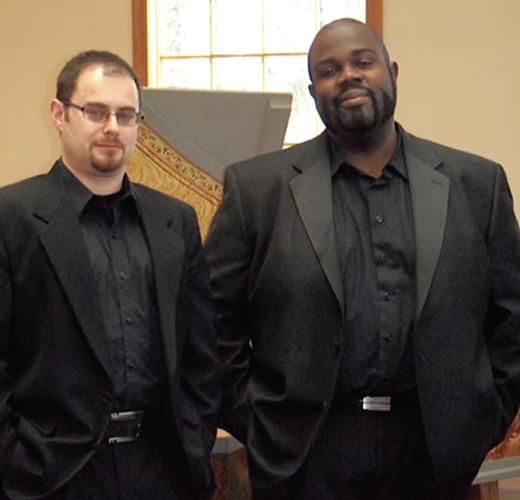
One of Reggie Mobley’s many gifts is his ability—whether singing German Baroque motets, art songs, jazz standards, or Spirituals—to plumb the music’s deepest emotional content and bring it to the forefront of every performance, while remaining true to the distinct styles and nuances of each medium. While this program illustrates the profound experiential and emotional connections between Spirituals and German Baroque music, it also highlights the inherent tensions between the performance practices and historical contexts of each repertoire. Johnson’s words echoed in my mind: Could I respectfully honor the Spirituals’ intrinsic power while weaving them into their program-specific surroundings? Could I tie thematic and cultural threads to other repertoire in ways that evoke deeper layers of meaning within their texts and melodies?
In my compositions, I frequently use the technique of musical collage to layer meaning and subtext. I incorporate quotations from vocal works into instrumental pieces to summon a familiar or meaningful text into listeners’ minds, or to create an irony between what is heard and what is suggested. Consider the concluding chorale of Bach’s Christmas Oratorio, with festive trumpets blazing while the choir sings of Christ’s triumph over sin to the melody of the Passion chorale (O Sacred Head, sore wounded). Were You There? is interwoven with quotations from the opening of Biber’s Mystery Sonata on the Crucifixion and gestures from J. C. Bach’s Lamento. One can hear the echo of nails being driven into Jesus’ flesh. Steal Away incorporates elements from the second movement of Dvořák’s Symphony No. 9, From the New World, whose theme was later set to a related text by Dvořák’s student William Arms Fisher in 1922 and made popular by Paul Robeson.
This work was undertaken with humility and awe in the face of the Spirituals’ power and history. I hope they inspire the same humility and awe in those who hear them.
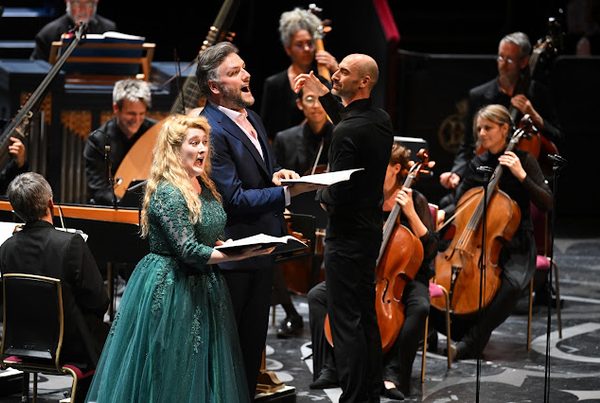
You can hear Lebedinsky’s arrangements sung by internationally acclaimed early music specialist Reginald Mobley in Pearls of Sorrow with Philharmonia Baroque Orchestra, led by conductor Christine Brandes.
The program unfolds in five chapters, moving through sorrow and pain to release, resilience, and freedom. You’ll hear European Baroque works and African American spirituals on period instruments—music from the same era that’s connected by shared human experience.
Concert Dates
Friday, March 13, 2026 – 7:30 PM | Herbst Theatre, San Francisco
Saturday, March 14, 2026 – 2:30 PM | First Congregational Church, Berkeley
Sunday, March 15, 2026 – 2:30 PM | Bing Concert Hall, Stanford
Get tickets online or call the Box Office at (415) 295-1900, Monday-Friday, from 10 AM to 4 PM.