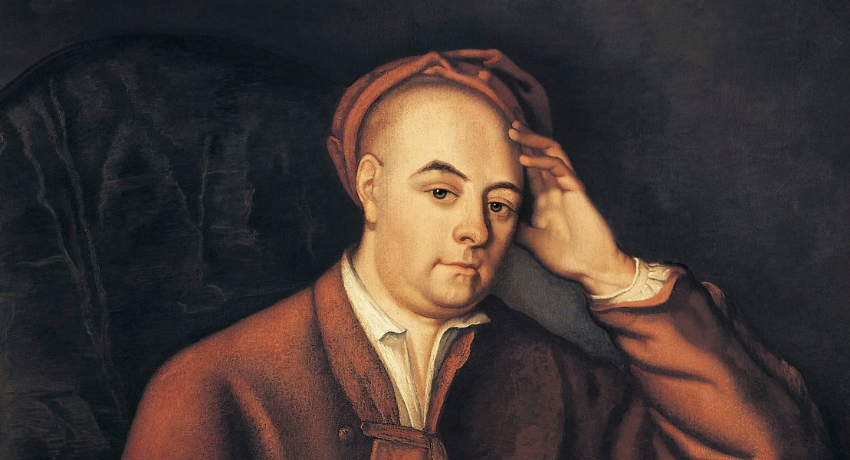
You may know Handel through works like Messiah, Water Music, or Music for the Royal Fireworks, but Handel also wrote more than 40 operas, including Tolomeo. A story of exile, hidden identity, political intrigue, and enduring love, Tolomeo contains some of Handel’s most beautiful and emotionally compelling music.
As we prepare to launch Philharmonia’s 2026/27 season with this rarely heard work, here are a few of the things that make Tolomeo such a fascinating opera to discover.
1. Our Hero Has Already Lost Everything
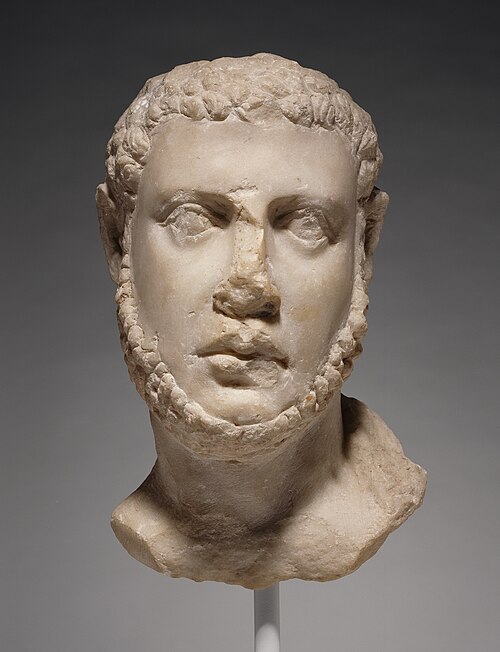
Most operas build toward a hero’s downfall, but Tolomeo begins after it has already happened: he is a king without a kingdom, with no army and no way home.
As the action begins, Tolomeo (aka Ptolemy IX, King of Egypt) has been overthrown by his own mother, Cleopatra III, and driven into exile on the island of Cyprus. He lives under an assumed name as a shepherd, believing his wife Seleuce to be lost at sea.
It’s an unusually introspective starting point. Rather than following the familiar story arc of a king fighting to gain or regain his throne, Handel asks: Who is a king when he no longer has a kingdom?
2. Everyone is Hiding Something…
Disguises and mistaken identities are common in Baroque opera, but Tolomeo takes the idea further. Tolomeo conceals his royal identity to survive. Seleuce keeps her own identity secret as she fends off unwanted attention. Araspe, the King of Cyprus, is torn between political loyalty and personal desire. Elisa, his sister, believes she has fallen in love with an ordinary shepherd, unaware that he is actually an exiled king. Meanwhile, Tolomeo’s brother Alessandro arrives in Cyprus under secret orders to kill him…
The audience often knows more than the characters themselves, creating a constant tension as secrets threaten to be exposed.
3. Written During a Difficult Moment for Handel
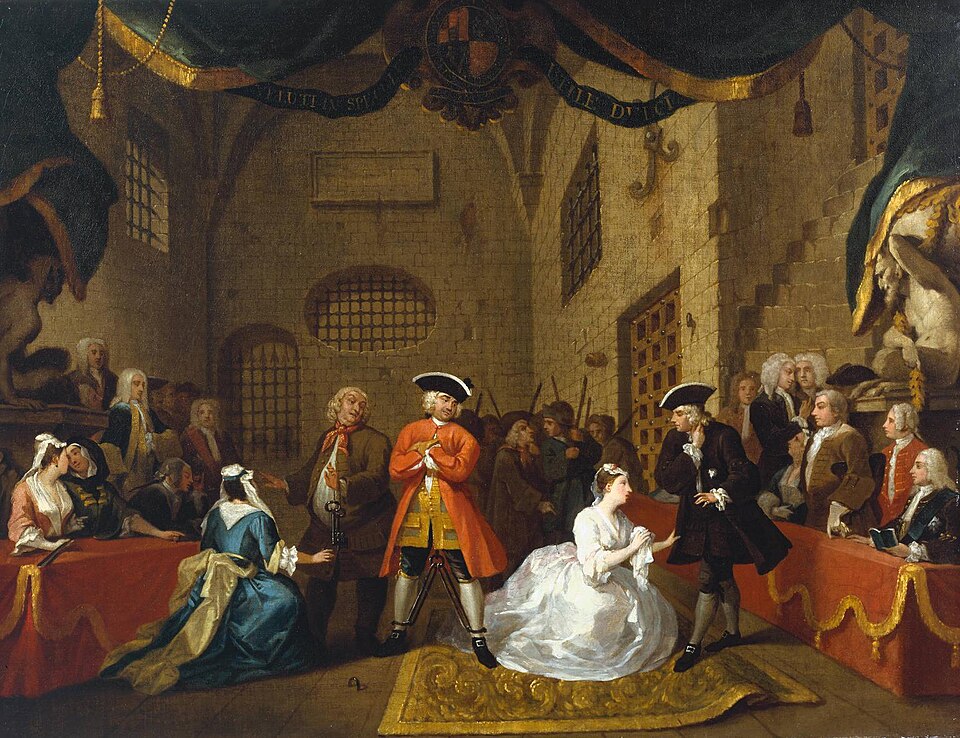
When Tolomeo premiered in London in 1728, it was a difficult time to be presenting Italian opera in the capital: financial pressures were mounting, and London’s operatic world was becoming increasingly uncertain. That same year, the satirical English work The Beggar’s Opera became a runaway success by mocking many of the conventions audiences had come to associate with Italian opera: grand heroes, celebrity singers, and highly stylized expressions of love, honor, and revenge.
Rather than responding with bigger spectacle, Handel took a different approach in Tolomeo, crafting one of his most intimate and psychologically subtle operas by shifting the focus from pageantry to character.
4. A Lesser Known Handel Gem
Handel wrote more than 40 operas, but only a few are performed regularly today, while Tolomeo has remained comparatively neglected.
Even so, many Handel specialists regard it as one of his richest dramatic scores, filled with arias that help to develop the character rather than simply being vehicles for vocal virtuosity. There is great emotional range in both the plot and the music, taking audiences on a journey from despair and longing to hope, tenderness, and quiet fortitude.
5. Baroque Opera Invented the Emotional Close Up
Baroque opera can seem unusual to modern audiences because the action often pauses while a character sings an aria, however in Tolomeo, those arias are where much of the drama actually happens. Handel returns to a single emotional state—grief, jealousy, love, determination—and explores it from every angle through the music in melody, harmony, and orchestral color. The arias function almost like close-ups in a movie, allowing us to experience a character’s thoughts in real time.
6. A Timeless Plot
An exiled leader. Questions of identity. Loyalty under pressure. Love that endures despite separation and uncertainty…
Nearly 300 years after Handel composed Tolomeo, its themes are still relevant and timely. Beyond the historical story of an ancient Egyptian ruler, at the heart of the plot is the very human story of what remains of a person’s character when everything else has been taken away.
Preview the Music
Philharmonia Baroque presents Handel’s Tolomeo as Music Director Peter Whelan opens his first season with a semi-staged production, combining historically informed performance with theatrical elements that sharpen the drama.
Concert Dates
Thursday, July 23 | 7:30 PM
Herbst Theatre, San Francisco
Friday, July 24 | 7:30 PM
First Congregational Church of Berkeley
Sunday, July 26 | 4:00 PM
Caramoor Center, NY – Venetian Theater
Get tickets online or call the Box Office at (415) 295 1900.