
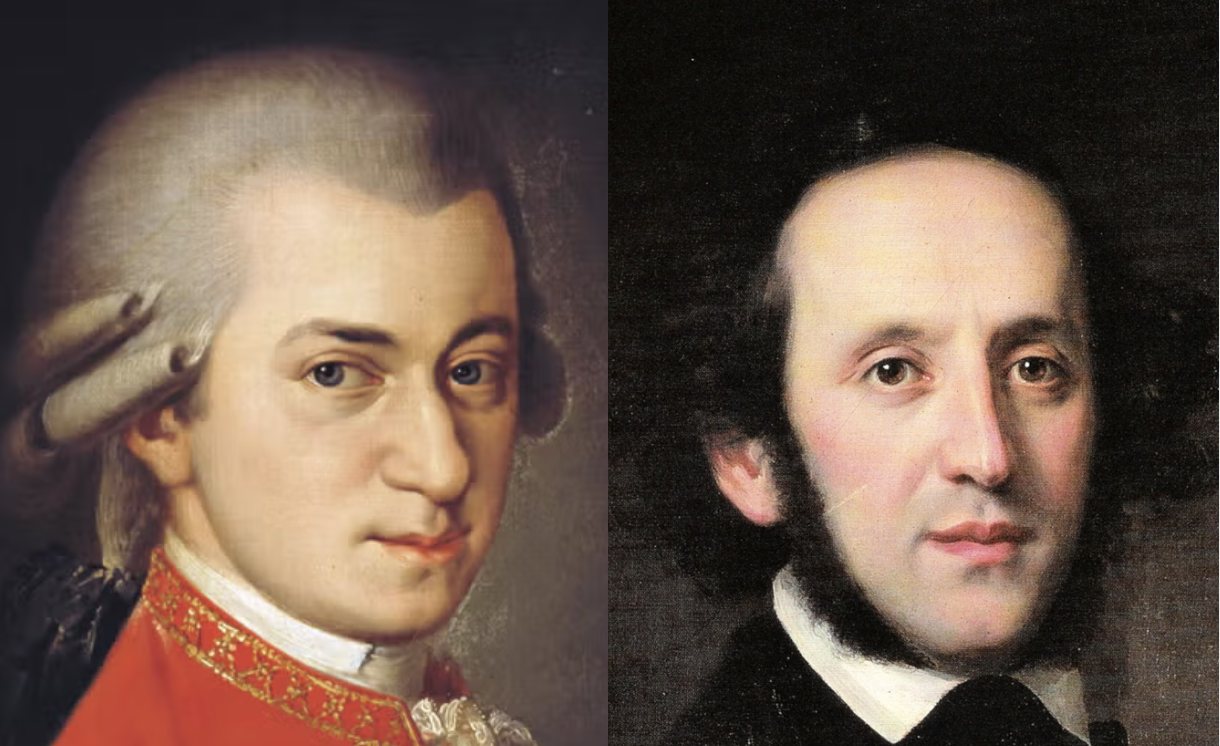
A child prodigy. A virtuoso performer with a talented older sibling. A composer who dazzled audiences from an early age, and who didn’t live past his 30s…
Chances are, you’re thinking of Wolfgang Amadeus Mozart, but did you know that the same description also applies to Felix Mendelssohn?
Early Signs of Genius
Both composers showed extraordinary musical ability almost as soon as they could sit at a keyboard. Mozart started touring Europe with his sister Nannerl before the age of six, performing for royalty and astonishing audiences with his feats of memory and improvisation.
A generation later, Mendelssohn was known for identifying pitches in everyday sounds—bells, clocks, even passing street noise—an ability he would sometimes demonstrate for family and visitors to his home in Berlin. By his teens, he was already composing works of astonishing
maturity.
Prolific Composers
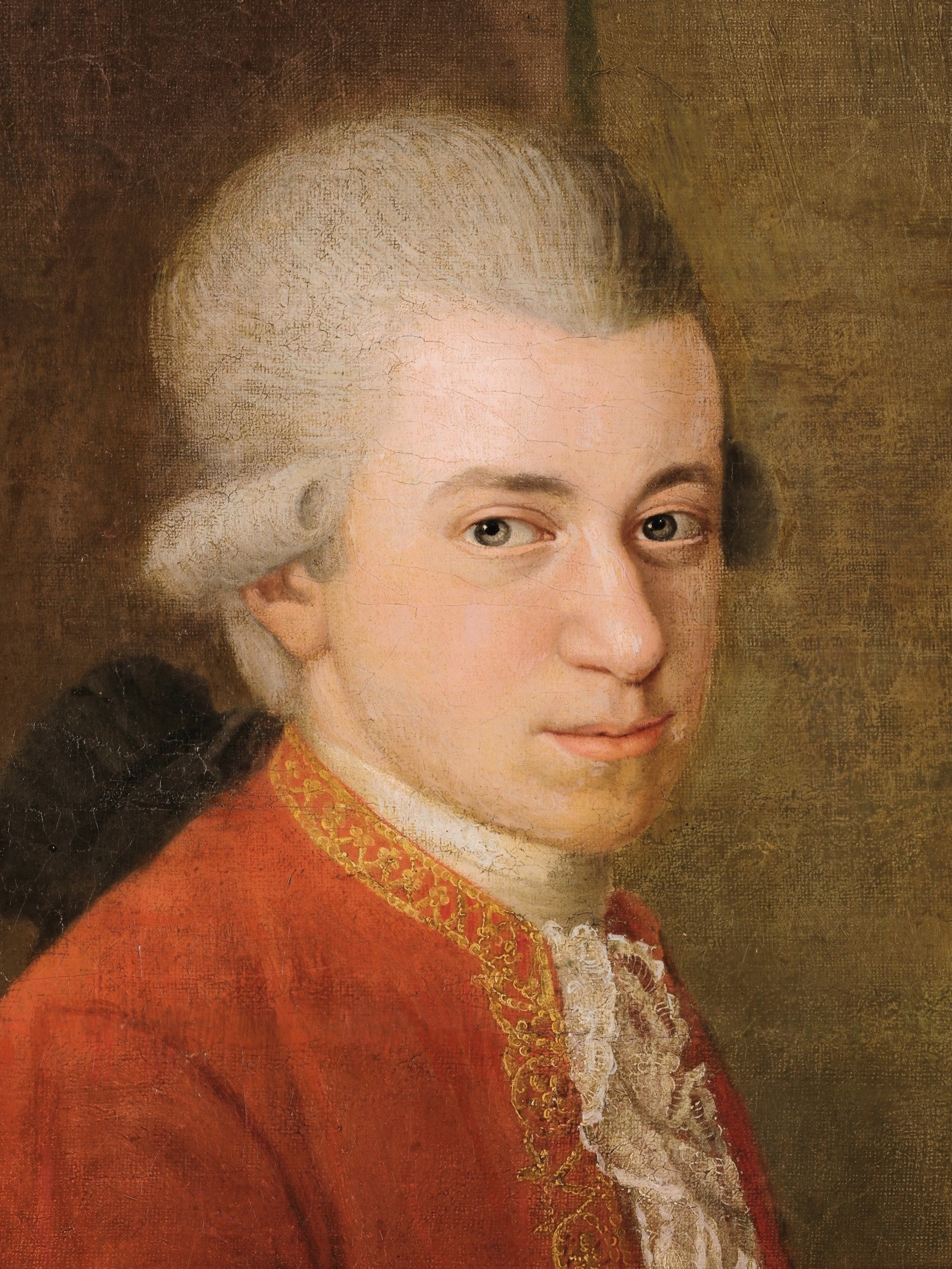
Both Mozart and Mendelssohn wrote a remarkable amount of music in a short time. Mozart composed quickly, often under pressure, and over the course of his brief life produced more than 40 symphonies.
Mendelssohn’s output was also astonishing, especially during his teenage years. Between the ages of 12 and 14, he wrote 12 string symphonies, and at just 13, he composed the Violin Concerto in D minor you’ll hear in Kinks and Quirks. It’s music that’s so confident and assured, it’s hard to believe how young he was when he wrote it.
Musical Families
Both composers grew up alongside exceptionally talented older sisters. Maria Anna Mozart, known as Nannerl, was a gifted keyboard player who toured with her brother and was widely admired for her skill. Fanny Mendelssohn was a formidable composer and pianist in her own right, at the center of the musical life of the Mendelssohn household. In both cases, these early musical partnerships created an environment of high expectations and constant music-making—even if history ultimately records their careers very differently.
Performers as Well as Composers
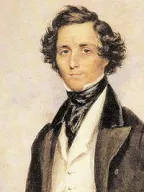
Mozart and Mendelssohn were not only composers but extraordinarily skilled performers. Mozart built his reputation as a keyboard virtuoso, known for being able to improvise on the spot and engage audiences directly. Mendelssohn was a brilliant pianist and conductor, admired for the precision of his musicianship, with a similar gift for connecting with listeners in the moment.
Two Different Paths
For all their similarities, the two composers’ lives unfolded very differently. Mozart’s career played out in public, shaped by constant travel and performance from his early childhood onward. On the other hand, Mendelssohn grew up in a well-connected Berlin household that hosted regular gatherings of musicians, writers, and artists, where he learned from leading figures and had the time and means to compose from an early age. Mendelssohn is also noteworthy for the decisive role he played in bringing the music of J.S. Bach back into public performance and reshaping how later generations understood the Baroque tradition.
Two Lives Cut Short
Ultimately, both Mozart and Mendelssohn’s lives were cut tragically short: Mozart died at 35, and Mendelssohn at 38, just months after the death of his beloved sister, Fanny.
Each left behind music that is still performed around the world today. In both cases, it’s tantalizing to consider what might have been and what more we might have heard, had they been given more time.
Preview the Music
Philharmonia Baroque’s season finale, Kinks and Quirks, pairs Beethoven’s First Symphony with works by C.P.E. Bach, Mozart, and Mendelssohn—full of unexpected “kinks and quirks.” Performed on period instruments, the program includes Mendelssohn’s youthful Violin Concerto and C.P.E. Bach’s surprising Symphony in F major, led by audience favorite violinist Shunske Sato.
Concert Dates
Thursday, April 23, 2026 – 7:30 PM | Herbst Theatre, San Francisco
Friday, April 24, 2026 – 7:30 PM | First United Methodist Church, Palo Alto
Saturday, April 25, 2026 – 2:30 PM | First Congregational Church, Berkeley
Tickets: $40 to $125, and $20 tickets available for Under 30s. Details and tickets at philharmonia.org or call the Box Office at (415) 295-1900.