By Scott Foglesong
Carl Philipp Emanuel Bach (1714–1788) Symphony No. 3 in F major, Wq. 183/3
Wolfgang Amadeus Mozart (1756–1791) Incidental Music from Thamos, King of Egypt, K. 345 (1779)
Felix Mendelssohn (1809–1847) Concerto for Violin and Strings in D minor, MWV O3 (1822)
Ludwig van Beethoven (1770–1827) Symphony No. 1 in C Major, Op. 21 (1800)
Carl Philipp Emanuel Bach (1714–1788) Symphony No. 3 in F major, Wq. 183/3
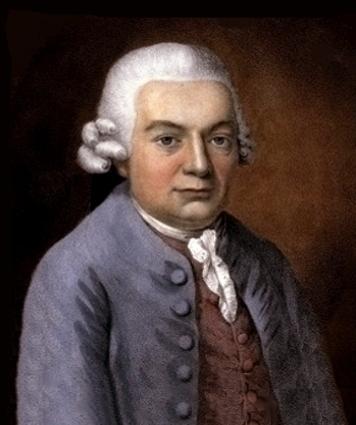
When Mozart exclaimed that “Bach is the father, we are the children,” he meant Carl Philipp Emanuel Bach, second son of Johann Sebastian. He wasn’t referring to technical matters, but to Philipp Emanuel’s innovative outlook; keeping with the spirit of the times, his music sought direct emotional engagement, as opposed to the pervading spiritual orientation of older musicians such as his father. Philipp Emanuel spoke in the voice of the Enlightenment, and youngsters such as Mozart simply couldn’t get enough of him.
Philipp Emanuel’s specialty was the keyboard, but his symphonies are important bridges between the orchestral idioms of the Baroque and the varied fluidity of the Classical style. In the four symphonies written in 1775–76 for an unknown patron and catalogued as Wq. 183, Bach enriched the orchestral texture by adding horn, flute, and oboe to his usual body of strings.
For those who associate Viennese Classicism with simple harmonies, clean-lined melodies, and a generally predictable order of affairs: you are well advised to buckle up and hang on, because there’s nothing simple, clean-lined, or predictable about a CPE Bach symphony. Right from the beginning we’re thrown about from key to key like so many shuttlecocks; even the secondary theme, usually a ‘lyrical’ counter to the more assertive primary, manifests a degree of chromaticism that wouldn’t be out of place in Wagner. Even if the first movement pays lip service to standard sonata form, it’s just as quirky structurally as it is harmonically.
There are no breaks between movements. The Larghetto savors deeply of the “style of sensibility” (Empfindsamer stil) that emphasizes heightened emotions via elevated chromaticism and downright stark orchestral textures. The concluding Presto is relatively straightforward harmonically, but all the same it’s given to sudden lunges into unexpected keys over the course of what’s essentially a flat-out sprint to the finish line.
Wolfgang Amadeus Mozart (1756–1791) Incidental Music from Thamos, King of Egypt, K. 345 (1779)
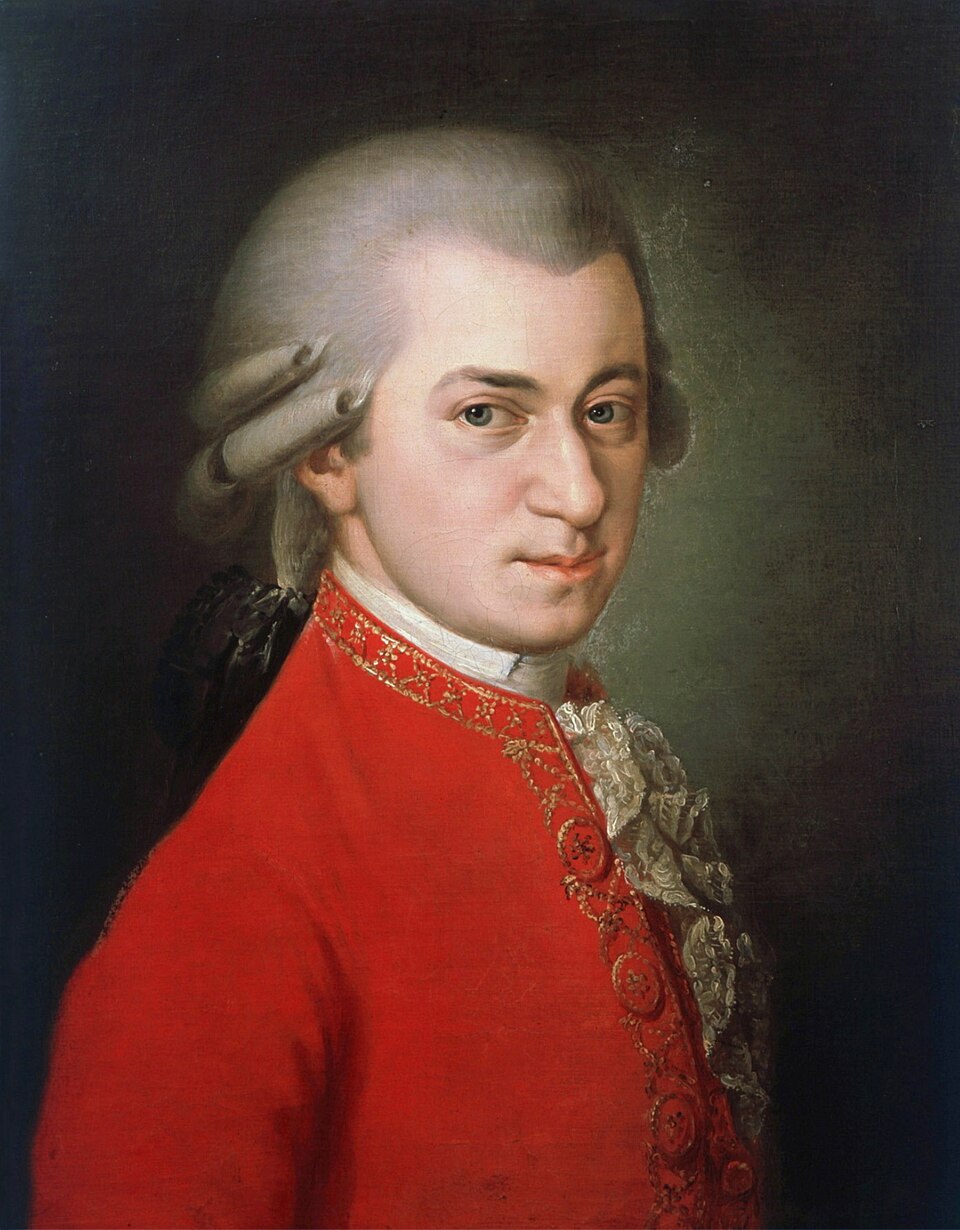
The story of Thamos, Mozart’s sole foray into incidental stage music, begins with a literary hoax. The Life of Sethos, Taken from Private Memoirs of the Ancient Egyptians was published by French author Jean Terrasson in 1731. Sethos claimed to be based on authentic Egyptian manuscripts, but the Abbé Terrasson had actually invented the thing out of whole cloth, by weaving contemporary French Freemasonry into a tale of arcane mystery cults, embroidered with just enough local Egyptian color to sound convincing. Forty years later Sethos provided the inspiration for the Masonic-scented Thamos, König in Ägypten, a play by Viennese court official Baron Tobias Philipp von Gebler.
Gebler hankered after Gluck to compose the choruses for the 1773 Vienna premiere, but he was obliged to settle instead for the obscure Johann Tobias Sattler, who was promptly cashiered after his contributions flopped. Seventeen-year-old Mozart was brought on board to provide replacement choruses, and those scored a hit with audiences and critics alike at Vienna’s Kärtnertortheater on April 4, 1774. So far so good, but Thamos’s subsequent compositional history is exasperatingly murky. The most-likely-case scenario has Mozart writing the four orchestral entr’actes and at least one more chorus for a Salzburg performance in January of 1776, with substantial revisions in 1779 for a visiting theatrical troupe.
The Thamos entr’actes, heard as an instrumental suite without the choruses, come across as the four movements of a quasi-program symphony, the only such in Mozart’s output. The very opening of the first entr’acte is guaranteed to bring a buzz of déja vu to listeners familiar with The Magic Flute, as the Masonic “threefold chord”—outlining the first, third, and fifth scale degrees—emerges from the orchestra, albeit in minor mode instead of Flute’s signature major. The following Andante entr’acte concerns itself with the contrast between bad-guy Pheron and priest-king Thamos (think Sarastro in Flute), while the sectional, multi-tempo third movement depicts the thickening of Pheron and Mirza’s dastardly plot. A bravura closing entr’acte behaves for all the world like a standard symphonic finale, albeit one sporting the distinctly Haydnesque touch of ending on an accented upbeat.
Felix Mendelssohn (1809–1847) Concerto for Violin and Strings in D minor, MWV O3 (1822)
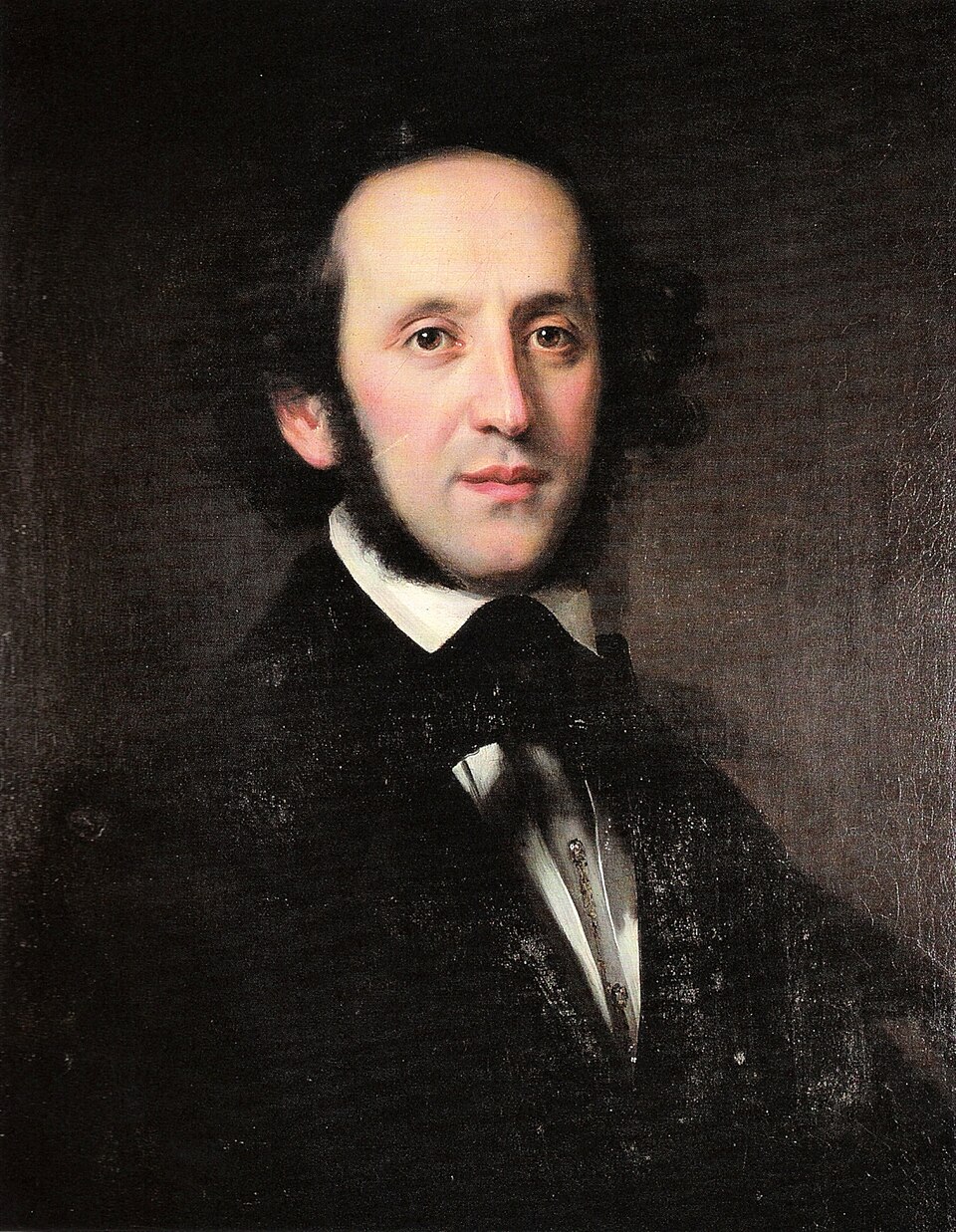
It’s nice to know that Mendelssohn’s early D minor Violin Concerto was brought to public attention by a San Francisco boy. Violinist Yehudi Menuhin, a prodigy of the first water, grew up on Steiner Street near Alamo Square. He studied with San Francisco Symphony concertmaster Louis Persinger and made his first concerto appearance in 1926 with Alfred Hertz conducting the SF Symphony.
Thus one child prodigy introduced the work of another. The über-gifted Felix Mendelssohn, a flabbergasting talent à la Mozart, began studying music theory and composition at the age of 10 with the renowned teacher Carl Friedrich Zelter, who set him to writing over a dozen string symphonies that honed his exponentially developing technique. It was around this same time that he wrote his first violin concerto in D minor. It languished unheard until the manuscript landed in the care of Albi Rosenthal, a distinguished music historian and scrupulous curator. In 1951 Rosenthal introduced the long-lost concerto to Menuhin, who bought the rights from the Mendelssohn family, played it frequently, and made three recordings, the first in 1952 with himself conducting. Although the D minor concerto hasn’t accumulated anywhere near the mileage of its later sibling in E minor, it’s well worth hearing for its own sake.
One might be excused for confusing the concerto’s opening with something by Vivaldi or Bach—it’s one of those rhythmically-alert unison affairs that Bach probably picked up from his studies of the Vivaldi concertos. However, the similarity is short lived. Viennese Classicism soon makes itself felt; in fact, there’s something distinctly Mozartean about it all. And if that leaves us wondering how much of it is actually Mendelssohn’s voice, let’s remember that he was all of 13 years old and still a work in progress.
That said, Felix Mendelssohn Himself takes charge over the second-place Andante, a sustained lyrical flight glowing with that ineffable Mendelssohnian grace, so hard to describe but so easy to recognize. Felix’s presence remains steadfast for the Allegro finale, a mostly lighthearted romp filled with quicksilver fantasy, clear evidence that the composer of the Midsummer Night’s Dream Overture was right around the corner.
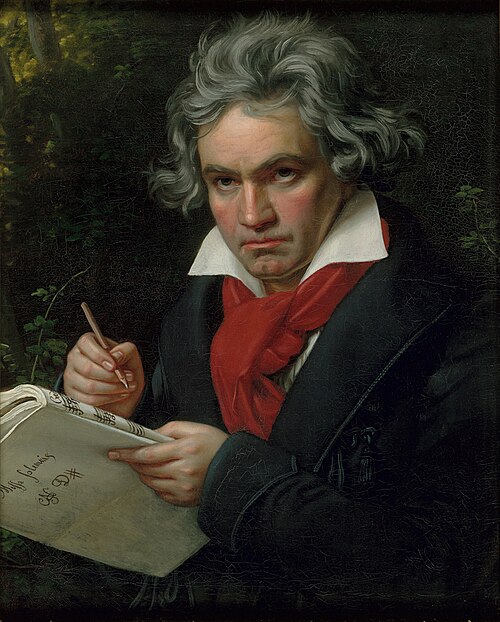
Ludwig van Beethoven (1770–1827) Symphony No. 1 in C Major, Op. 21 (1800)
Concert programs were a lot longer in Beethoven’s day than in our own. Consider Beethoven’s benefit concert of April 2, 1800: a symphony by Mozart, two arias from Haydn’s brand-new The Creation, and from Beethoven himself a piano concerto, the Septet Op. 20, an improvisation, and finally, Symphony No. 1 in C Major, Op. 21. The concert doesn’t seem to have gone at that well. According to contemporary reports, it was all the orchestra’s fault.
Badly played or not, the concert helped cement Beethoven’s stature as the frontrunner amongst Viennese musicians. Student of Haydn and Salieri, he had been publishing steadily since his 1793 arrival, electrifying Vienna with the freshness, verve, and novelty of his compositions. His piano playing was the talk of the town, as was his steadfast refusal to play the part of dutiful lackey to aristocratic patrons and his intolerance of inattentive audiences. With the First Symphony, Beethoven made his entry to a genre that had been dominated by Haydn and Mozart. Now he was to make it his own.
Many Viennese Classical symphonies with slow introductions open with a loud wallop—a call to order, as it were, quite practical given the open layout and chatty socializing typical of the era’s concert venues. The Beethoven First dispenses with all that in favor of a subtly insinuating prologue in which both key center and meter are kept slightly blurred until the onset of the Allegro con brio proper, a stellar example of textbook sonata-allegro form. (Which is hardly surprising, since textbooks on sonata form tend to use early Beethoven as models.)
Beethoven might not have been an instinctive tunesmith on the order of a Mozart or Schubert, but he certainly had a song in his heart when it pleased him to do so. In the Andante cantabile con moto he comes up with a friendly Haydnesque melody that he mines for the materials of a luxuriant and exquisitely well-structured sonata form. And even if he calls the third movement a ‘Menuetto’, it’s really a scherzo—fast, fleet, and funny, a headlong sprint that lightens things up a bit for the midway Trio but never really lets up on the chase.
That loud wallop missing from the symphony’s opening kicks off the finale. But what comes next is a whimsically indecisive passage that sounds for all the world like a pianist doodling around on the keyboard while trying to figure out what to play next. But then he finds it, and we’re off on an athletic dash that comes across as Haydn with a major dose of attitude.
Preview the Music
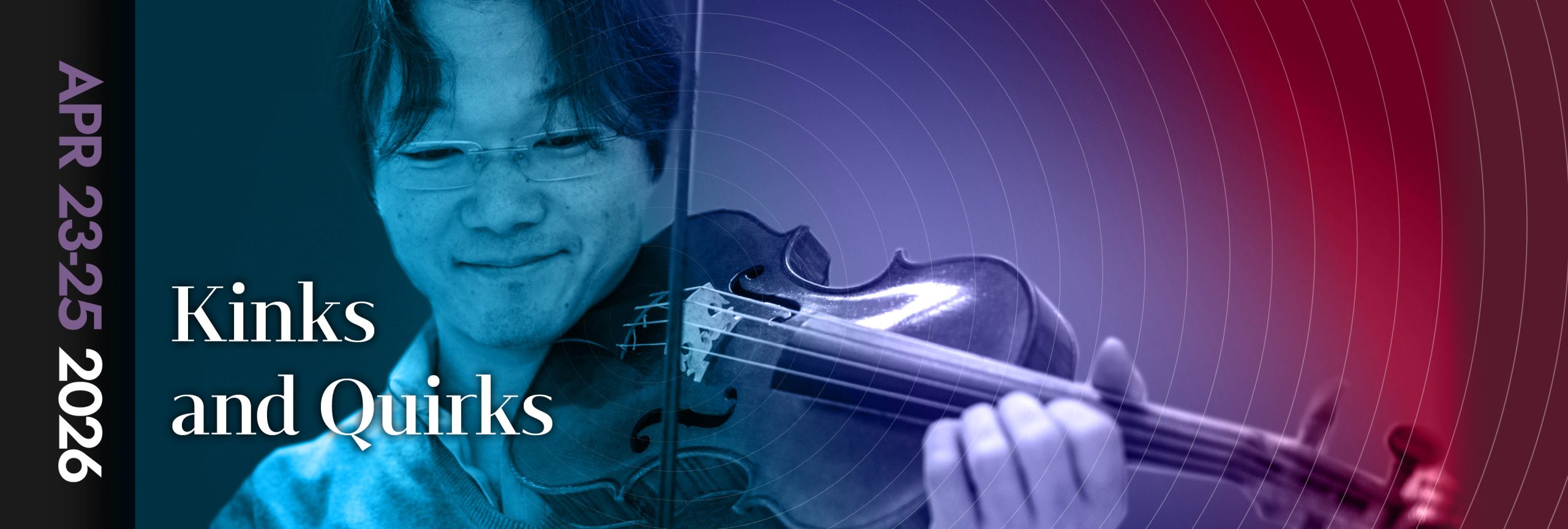
Philharmonia Baroque presents Kinks and Quirks, led by audience favorite violinist Shunske Sato.
Concert Dates
Thursday, April 23, 2026 – 7:30 PM | San Francisco: Herbst Theatre
Friday, April 24, 2026 – 7:30 PM | Palo Alto: First United Methodist Church
Saturday, April 25, 2026 – 2:30 PM | Berkeley: First Congregational Church
Get tickets online or call the Box Office at (415) 295 1900.
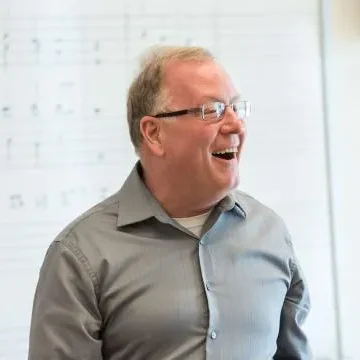
Scott Foglesong is the award-winning Chair of Music Theory at San Francisco Conservatory of Music. He also writes program notes for San Francisco Symphony, California Symphony, Las Vegas Philharmonic, New Hampshire Music Festival, and Left Coast Ensemble.