
Introducing the Fictional Diary of Elizabeth Carter, 18th-Century English Scholar
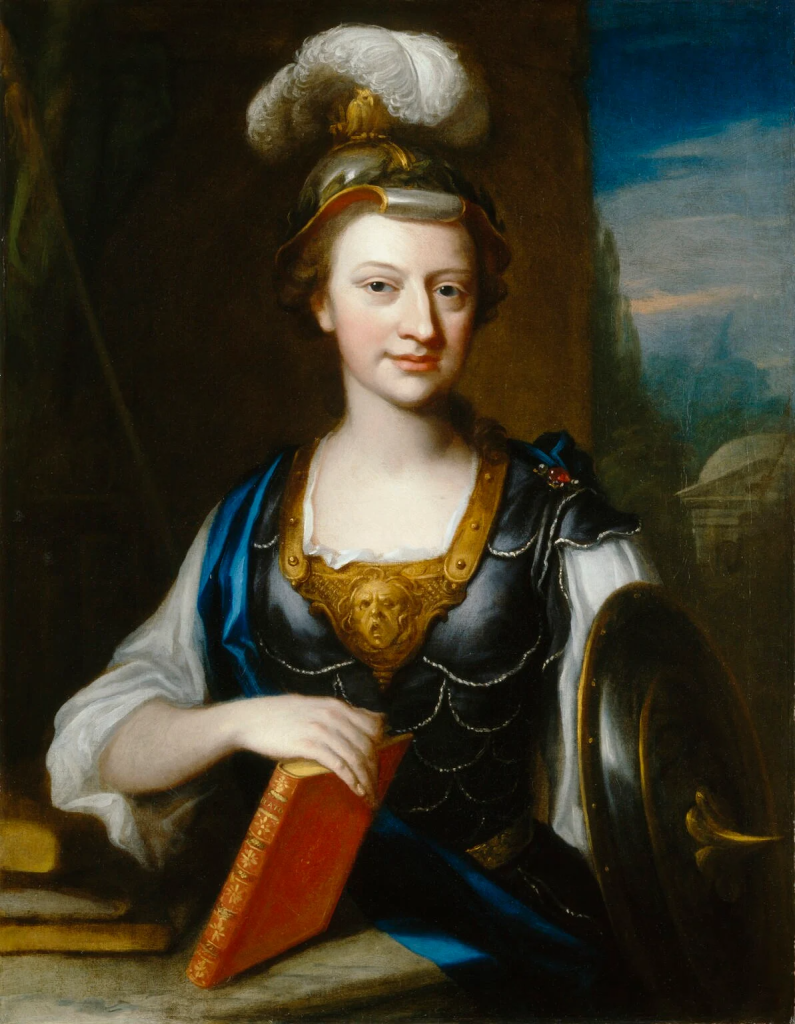
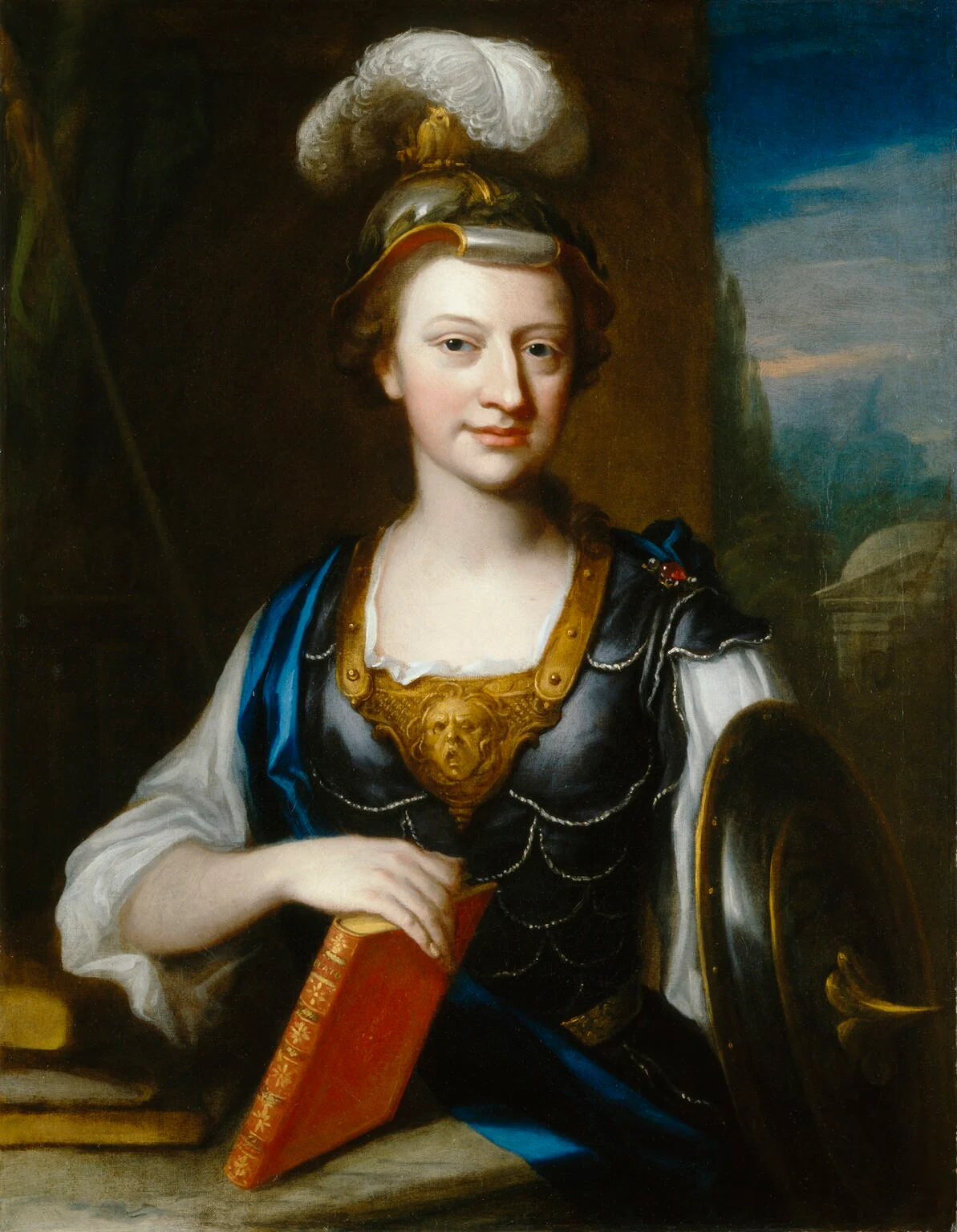
Step into 18th-century London through the eyes of Elizabeth Carter (1717–1806): poet, translator, and one of the era’s leading intellectuals, whose lifetime stretched from Handel’s heyday to the London premiere of Beethoven’s First Symphony—mirroring much of the music you’ll hear in Philharmonia’s 2025/26 season.
A member of the circle later called the Blue Stockings Society, Elizabeth was admired for her intellect and independence, and she enjoyed close friendships with other key figures from the time, including author Catherine Talbot and British social reformer, arts patron and hostess Elizabeth Montagu.
In this series, we invite you to follow Carter’s fictional diary as she “attends” each concert in Philharmonia Baroque’s 2025/26 season, experiencing the works as her contemporaries might have done. Each entry blends fact with imagination, and you’ll find Historical Notes and short biographical details about Elizabeth alongside the journal entries that identify what is documented—her writings, friendships, and so on—and what is imagined. Elizabeth’s imagined voice gives us a plausible perspective on how the music may have struck audiences in the social and cultural world of 18th-century London.
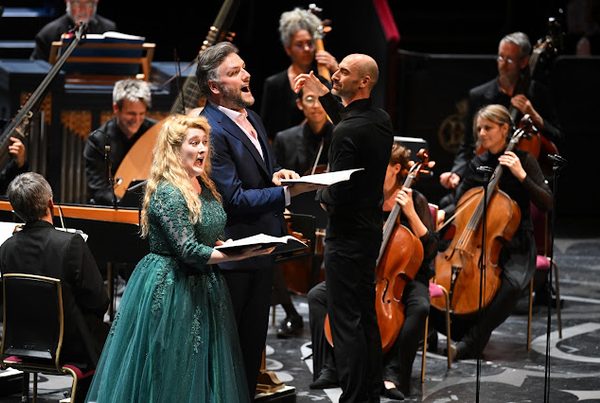
The series begins with Elizabeth, age 17, making her debut in London society, with a new gown, a watchful chaperone, and an evening of fiery Italian cantatas by Handel and Marcello — a glimpse of how such music might have both entertained and unsettled its first audiences.
Read the diary
Part 1: Fury and Heartbreak (1735, age 17)
Part 2: Gloria! (1739, age 22)
Part 3 – Baroque Garlands (1744, age 27)
Part 4 – Pearls of Sorrow (1759, age 42)
Part 5 – Kinks and Quirks (1803, age 85)
Further Reading
You can learn more about Elizabeth Carter’s world and the lives of Elizabeth Montagu, Catherine Talbot and others in Susannah Gibson’s The Bluestockings: A History of the First Women’s Movement. The book traces the different paths these women took through friendship, scholarship, patronage, and public life. Through their letters, gatherings, and daily routines, the book shows how each shaped a life of the mind on her own terms—sometimes in harmony, sometimes in tension with the expectations around them.
You can also read Francesca Wade’s excellent New York Times review of the book, which gives further context for these remarkable women.
Comments or Questions?
Whether you read one of Elizabeth Carter’s fictional diary entries or you read them all, we’d love to know what you thought. Please email your comments and suggestions to [email protected].

This project was conceived and developed by Theresa Madeira, Marketing Director of Philharmonia Baroque, drawing on her academic background in history (BA, Oxford University), her passion for storytelling and classical music, and her professional commitment to sharing what makes Philharmonia unique.
By performing on period instruments with attention to historical style, Philharmonia brings audiences as close as possible to hearing the music as its first listeners did. The Elizabeth Carter Diaries series aims to provide another point of access to that experience, inviting readers to step into the world of the 18th century and imagine hearing the music in its original context.